Showing posts with label aero-philately. Show all posts

Monday, February 23, 2009

Some more Austrian Balloon flown covers:


.....and a few Belgian Balloon Flown.


Monday, December 8, 2008

Balloons used to carry mail out of a sieged city.

During the Franco-Prussian war of 1870-71 the city of Paris was completely cut off from the outside world by the Prussian army. Balloons were used to carry refugees and mail from the besieged city.

From 19th September, 1870 to 28th January, 1871, 66 balloons were used by the Parisians to carry 155 refugees, 354 carrier pigeons and over 2.5 million letters out of Paris. Each piece flown required a notation "Par Ballon Monte" indicating that it was a manned balloon. Balloon montes are relatively expensive and prices can vary according to specific balloons and markings.


Covers flown out of Paris were then forwarded to the addressees through normal mail channels.


Special balloon postcards 10 x 7 cm were manufactured of thin green paper subject to a maximum weight of 4gm.


The address side of a balloon postcard from the siege of Paris, 1870. Postage of 20 centimes was imprinted on the card.

Friday, July 11, 2008

Gibraltar FDC of stamps issued on 15th September, 2006 to commemorate 75 anniversary of airmail services.


Gibraltar - Military planes on stamps. Issued in series entitled "Wings of Prey"


Thursday, June 12, 2008

History of Aviation through philately

History of aviation can be graphically depicted through philately: stamps, postmarks, special covers etc.

Where does the history of flight start? Man has always been fascinated by the ability of birds to glide through air so effortlessly and has dreamed of flying from earliest times. The earliest record of flight is in Greek mythology. The story of Daedalus and Icarus is well known. Imprisoned on the island of Crete Daedalus who must have been an accomplished inventor, planned their escape by making wings of wax and feathers. They attached these wings and flew away. Unfortunately Icarus, though warned against it, flew too close and the sun melted the wax on his wings and he fell to his death. However, Daedalus was successful in flying to Italy as the legend goes.


A 1935 stamp issued by Greece
depicts Daedalus preparing Icarus for
their flight.


A 1932 stamp issued by
Latvia shows Icarus
flying close to the sun.


Icarus in flight. set issued on 11th April, 1924 for flights between Budapest-Vienna, Germany, France, Poland and Belgium.


Another famous airman of Greek mythology is Hermes or Mercury who was a messenger of the Gods and is often shown on stamps as being symbolic of the post. He was provided with winged sandals and winged head dress in order that he may virtually fly with his messages.


Mercury depicted on a Curacao airmail stamp of 1931.


Hermes in flight shown on a Greece stamp, part of a 1935 Airmail set. The wings on his footwear and headgear are clearly depicted.

1935 Canadian stamp showing Daedalus in flight.


Birds, as symbols of flight and thus of airmails, have been depicted on many stamps.


Saturday, May 24, 2008

Aviation First Day Covers

View some aviation related first day covers here:

http://www.flickr.com/photos/22512826@N08/sets/72157605228228012/

Click on the link or paste on a browser.

Thursday, May 22, 2008

Airmail Stamps

Many countries started issuing airmail stamps as transporting of mail by air started gaining popularity. Postal administrations charged a premium for Airmail service and so special airmail stamps were issued to cover the higher rate.

The honor of issuing the first airmail stamp goes to Italy.


An existing Express Delivery stamp was overprinted and issued on 22nd May, 1917 for the first official airmail between Rome and Turin.


The first airmail stamps were issued in the US on 15th May, 1918 when the first official airmail between Washington, Philadelphia and New York was inaugurated. The basic rate per ounce for transmission by air was 14c "air fee" and 10c for the special delivery fee. For this purpose a 24c stamp depicting the Curtiss Jenny was issued. Since this was a new service the stamp was issued in a distinguishing bi-colored format, in the patriotic colors - red, white and blue.

This stamp has become one of the most famous US stamps as one sheet of 100 stamps was sold with the center inverted and is well known as the "inverted jenny". A single mint (unused) stamps was sold for $977,500 in an auction on 14 November 2007.

As the airmail fee dropped, a 16c denomination was issued on 11 July 1918 and a 6c stamp was issued in December that year when the special delivery fee was dropped.


Issue of airmail stamps became the norm from then on as countries started airmail services within their countries and then to countries round the globe. Not all stamps had any "aviation" motif on them but all bore the word "airmail" "correo areo" "par avion", 'postes aerienne" or similar inscriptions in the language of origin. In most cases all mail sent by air had necessarily to be franked with airmail stamps. Airmail etiquettes (labels) were also issued but letters could be also be inscribed "by airmail" or equivalent as use of labels was not compulsory. To start with Some countries just overprinted existing stamps with the word airmail or a plane.

A few stamps overprinted with airplanes for use on airmail letters.

Sunday, May 11, 2008

AERO-PHILATELY

Hi!

I am an aero-philatelist. I find that there are very few website devoted to this branch of philately so I thought blog which will help popularize this branch of philately.

Aero-philately is a branch of philately specializing in the collection of philatelic items relating to airmails. Aero-philatelists study the development of airmails and tell the story of the development of aviation through stamps, covers postmarks etc.


A selection of stamps with aviation theme.


The scope of aerophilately includes:
  • airmail postage stamps, both official and unofficial

  • stamps depicting various aspect of "aviation" eg. aircraft, airlines, airports etc.

  • other types of labels (such as airmail etiquettes)

  • all kinds of mail transmitted by air

  • postal markings related to air transport

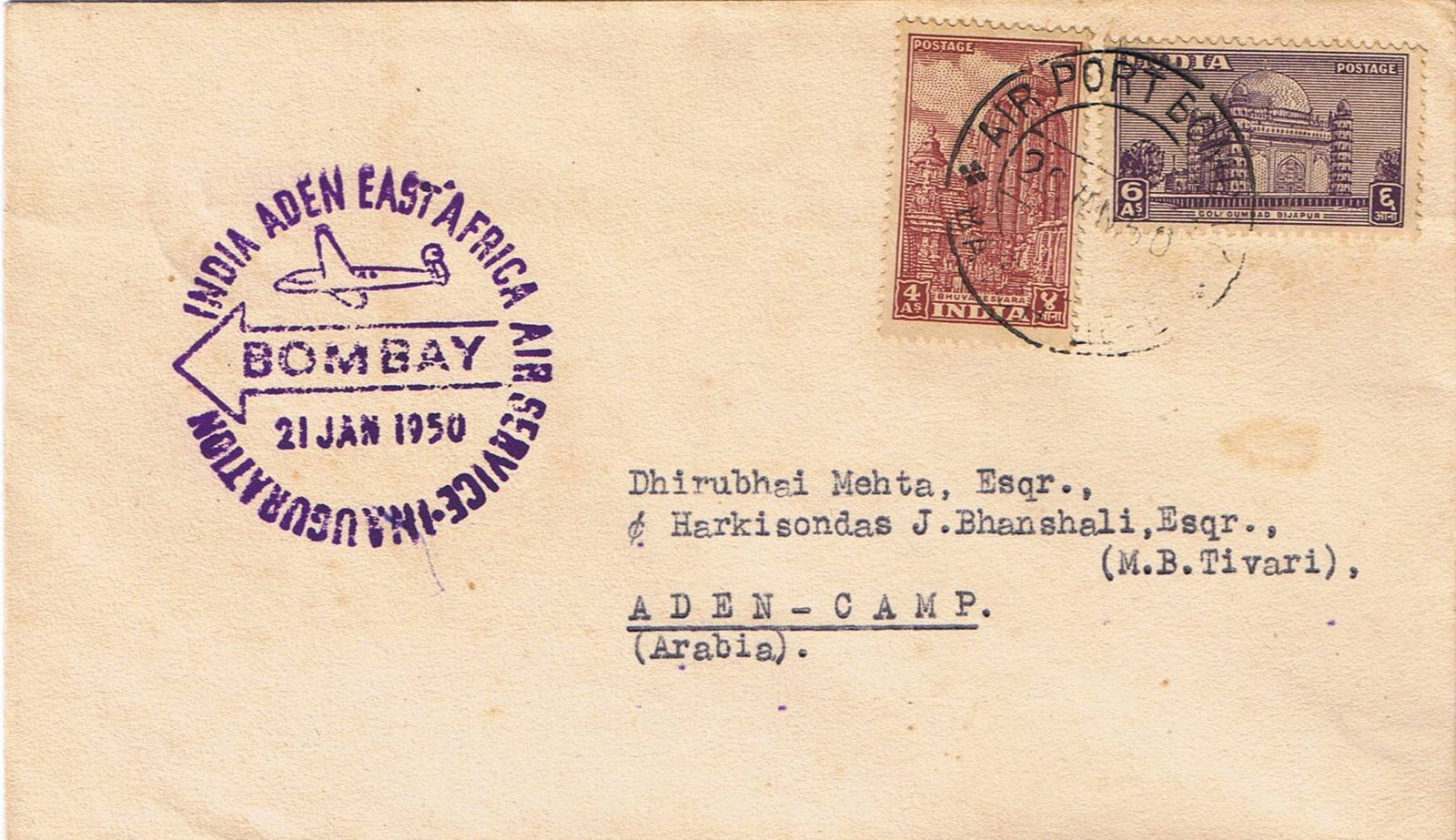
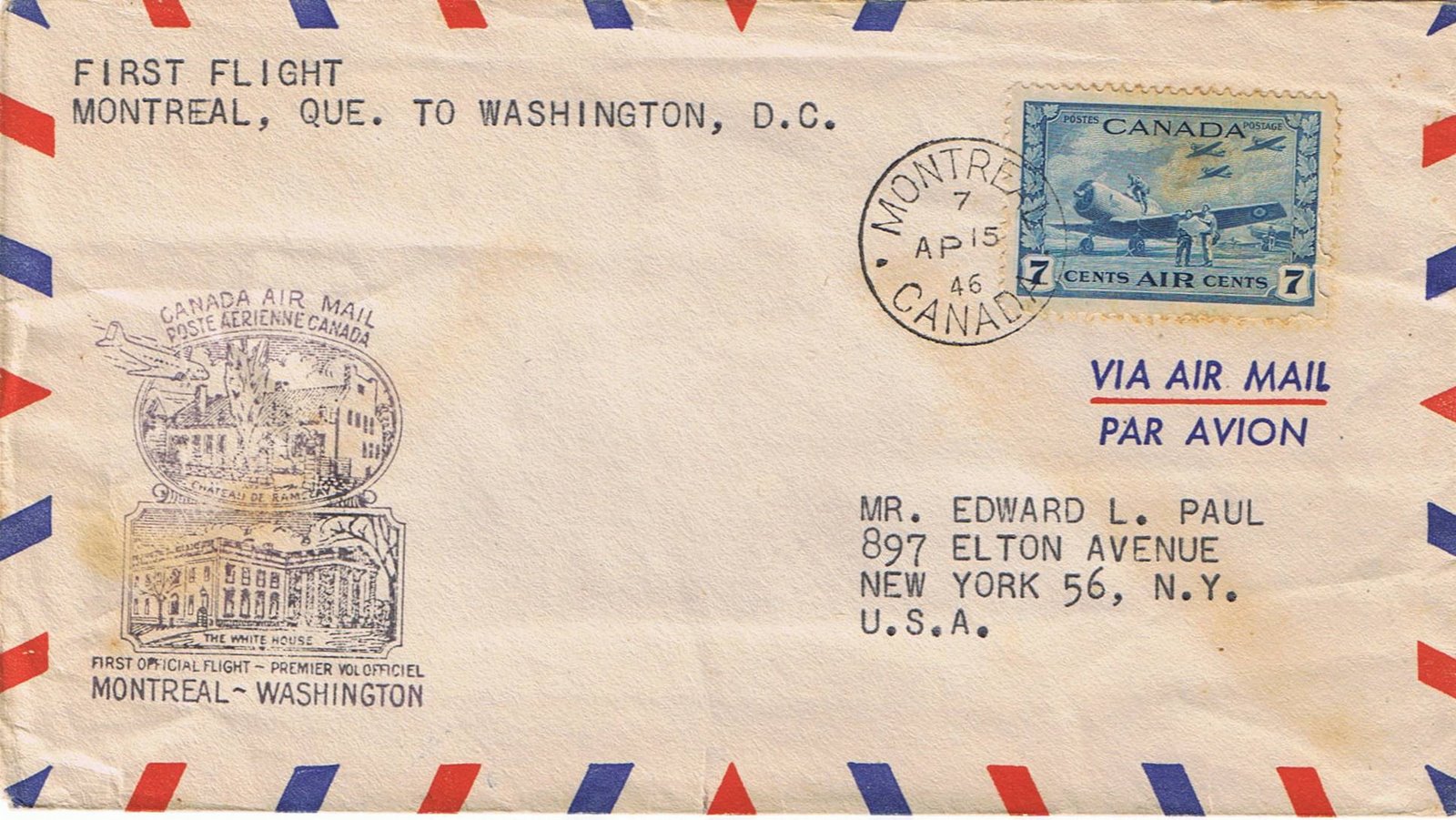
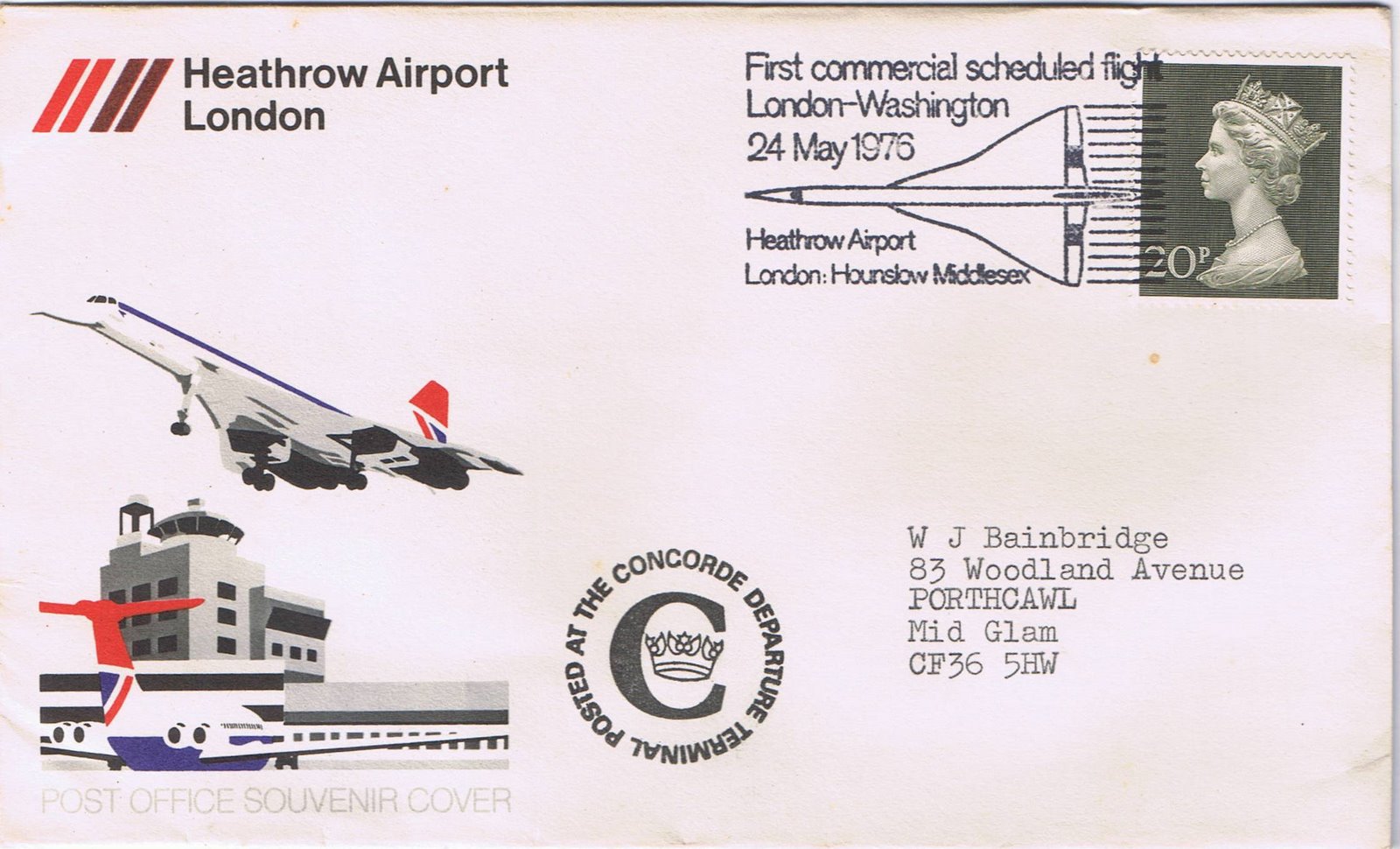
  • first flights and other "special" flights covers

  • rates and routes

  • mail recovered from aircraft accidents and other incidents (crash covers)

An aerogramme flown on a special balloon flight in France.

Besides the study of airmail transport by fixed-wing aircraft, the fields of balloon mail, helicopter mail, dirigible mail, zeppelin mail, missile mail, and rocket mail are active subspecialties. Astrophilately, the study of mail in space, is a related area.
I'll explain the various nuances in future posts, with pictures etc.

Please contact me if you are a fellow enthusiast or want to know more about aero-philately.